
Ice Dam Prevention: What Saint Joseph Homeowners Should Know
By the Pro St. Joseph Water Damage Restoration team · November 4, 2026
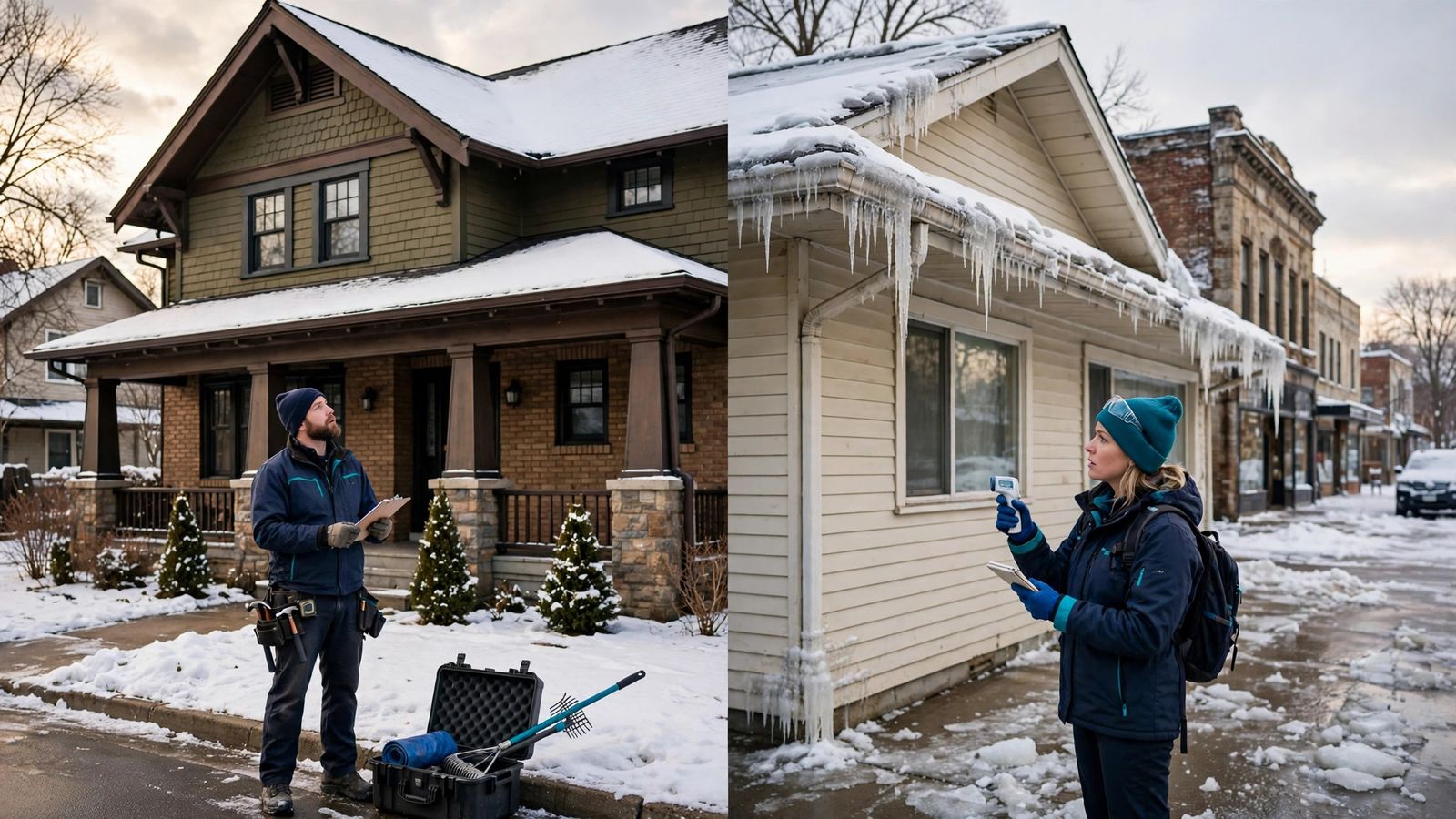
Ice dams form when heat escaping from an attic melts snow on the upper roof while the eaves stay below freezing — common during Saint Joseph's Zone 5b freeze-thaw winters — and the best prevention is improving attic insulation and ventilation so the whole roof deck stays uniformly cold.
Part of Pro St. Joseph Water Damage Restoration — 24/7 restoration dispatch based in Saint Joseph, MO.
How Ice Dams Form
An ice dam starts when heat escaping from a warm attic melts snow on the upper portions of the roof, while the unheated eaves and gutters stay at or below freezing. The meltwater runs down and refreezes at the cold edge, building a ridge of ice that backs up under the shingles — forcing water into the attic and eventually down through ceilings and exterior walls.
Why Saint Joseph Winters Are Prone to Them
Saint Joseph's Zone 5b climate brings regular freeze-thaw cycles throughout winter, with average January lows around 17°F and periodic heavy snow — exactly the conditions ice dams need. Older homes, especially in neighborhoods like Hyde Park with less modern attic insulation, tend to see more ice dam activity than newer, better-insulated construction.
Prevention Steps
- Improve attic insulation. The single most effective fix — keeping heat in the living space instead of leaking into the attic keeps the whole roof deck uniformly cold.
- Improve attic ventilation. Proper soffit and ridge venting helps flush any heat that does escape before it can melt snow unevenly.
- Seal attic air leaks. Gaps around recessed lighting, attic hatches, and plumbing stacks let warm air bypass insulation entirely.
- Use a roof rake after heavy snow. Removing snow load from the eaves (safely, from the ground) reduces the meltwater available to form a dam in the first place.
If an Ice Dam Has Already Formed
Climbing onto an icy roof to chip away an ice dam is genuinely dangerous and can damage shingles further. If water is already coming through the ceiling, the priority shifts to extraction and drying the interior damage, then addressing the ice dam and underlying insulation issue once conditions allow safe access.